A 10–15 Minute Used-Car Screen Before Paying for a PPI
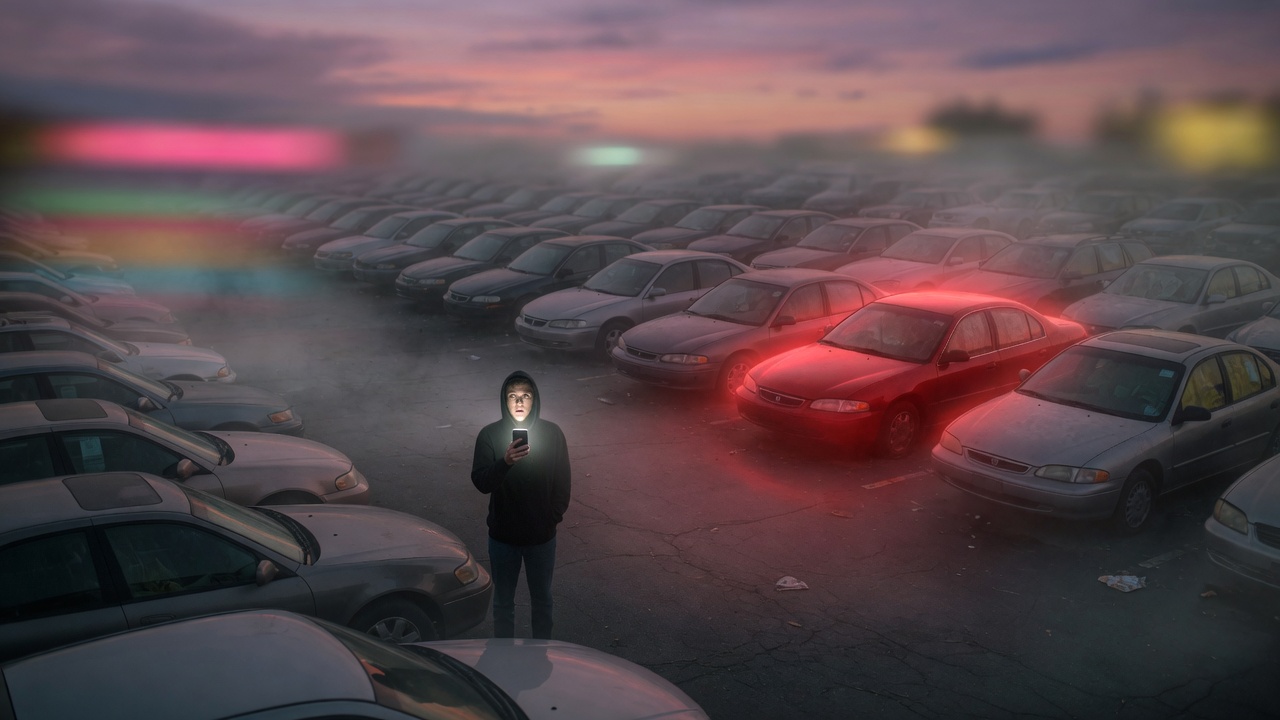
A short used-car screen is a structured walk-around, interior check, document review, and careful test drive you can finish in about 10–15 minutes. Its job is not to prove the car is good—it is to surface obvious walk-away red flags so you only pay for a professional pre-purchase inspection (PPI) on cars that still look worth it.
Most first-time buyers do one of two things: they fall for a clean listing and schedule a PPI on every promising car, or they skip the pro inspection to “save money.” Both approaches are expensive. A pre-purchase inspection is one of the best tools in used-car shopping, but it is not free. Industry guides commonly put PPI cost in a range of roughly $100–$300 depending on depth and location. If you are looking at three or four vehicles, that can become hundreds of dollars spent on cars you could have walked away from after a careful daylight look.
Screen first. PPI the finalist. Spend a focused 10–15 minutes on each candidate. Only the cars that still make sense after that screen earn a mechanic’s time—and your money.
This guide covers safe, non-mechanical checks only: exterior, interior, documents, seller behavior, and test-drive basics. It does not include crawling under the car, opening hot components, or diagnosing engines. Those belong to a professional PPI.
Why a short screen comes before the PPI
A PPI is designed to find problems a casual look often misses: engine and transmission concerns, frame or structural issues, suspension wear, diagnostic codes, and safety-system problems. Consumer Reports and other buyer guides still recommend a mechanic inspection before you finalize a purchase. NerdWallet notes that a PPI can surface issues that a visual check and an untrained test drive may not reveal.
So if a PPI is so useful, why screen first?
Because the screen and the PPI answer different questions:
| Step | Question it answers | Who does it | Cost / time |
|---|---|---|---|
| Short screen | “Is this car even worth a pro look?” | You (with a checklist) | ~10–15 minutes |
| Vehicle history / title research | “What has been reported about this VIN/title?” | You + history/title tools | Varies |
| Professional PPI | “What is the mechanical/structural condition right now?” | Independent mechanic | Often ~$100–$300 |
Your screen is a filter, not a green light. Its job is to eliminate obvious mismatches: heavy cosmetic damage that was not disclosed, flood clues, mismatched paperwork, hostile seller behavior, or a test drive that already feels wrong.
How to run a 10–15 minute used-car screen
Do this in daylight on a dry day when you can. Rain and night lighting hide panel gaps, paint differences, and stains. Ask the seller to have the car parked and cool when you arrive so you are not inspecting a freshly detailed “show car” under pressure.
Bring: phone for photos/notes, a simple checklist, and calm expectations. Dress so you can kneel next to tires and open doors without fretting about clothes. Do not slide under the car or touch hot engine parts.
1. Exterior walk-around (about 4–5 minutes)
Walk the full circle slowly. You are looking for consistency, not perfection.
Body and paint
- Check each panel and the roof for dents, deep scratches, and obvious rust (including blistered paint near edges, wheel wells, and door bottoms).
- Look for uneven panel gaps, doors that sit proud or recessed, or paint that does not match across panels—possible signs of prior repair (not automatically a deal-breaker, but worth photographing and asking about).
- Open and close every door, the hood, and the trunk/hatch. Note doors that drop on hinges or seals that are torn or crumbling.
Glass and lights
- Look for windshield cracks or large chips that will need attention.
- Confirm light lenses are intact—not cracked, fogged with moisture, or missing. With a helper if possible, verify headlights, turn signals, and brake lights work.
Tires and stance (from standing height)
- Confirm the car sits roughly level.
- Check that all four tires look like a matching set (same size; ideally similar brand/condition).
- Look for obvious uneven wear, bulges, cracks in sidewalls, or cords showing. Heavily worn tires are not always a walk-away, but they are a real cost and can hint at alignment or prior neglect.
Flood / water clues (visual and smell only)
Flood-damaged cars can look fine after a cleanup. NHTSA and Kelley Blue Book both stress buyer caution. Without crawling under the car, you can still note:
- A musty or mildew smell (or heavy air-freshener that seems to mask odor)
- Waterlines, silt, or mud in the trunk, spare well, glove box, or under floor mats
- Unusual corrosion or water staining in places that should stay dry
Photograph anything that looks off. You are building a record for yourself—not proving a diagnosis.
2. Interior check (about 3–4 minutes)
Sit in the driver seat first, then quickly check other seats.
Smell and moisture
- Open the door and note the first smell. Musty interiors can point to leaks or past water exposure.
- Lift floor mats. Look for damp carpet, stains, or rust around seat tracks and under the spare if accessible without tools.
Wear vs. mileage story
- Check seat bolsters, steering wheel, and pedal pads. Heavy wear on a “low mileage” car is a soft red flag—ask about it; do not accuse.
- Try seat adjustments, windows, locks, wipers, HVAC fan/AC basic function, and the radio or infotainment power-up. You are confirming basics work, not stress-testing electronics.
Warning lights
- With the key on / car running as appropriate for the model, note any check engine, ABS, airbag, or other persistent warning lights. A light that stays on after start is a reason to pause—not a DIY repair project on the spot.
Safety basics
- Seat belts should latch and retract smoothly in every seating position you try.
- Confirm you can see out of mirrors and that the backup camera (if equipped) displays without obvious failure.
3. Documents and listing consistency (about 2–3 minutes)
Paperwork is part of the screen. Many expensive mistakes start here.
Ask to see (or photograph for your notes, with permission):
- Title or title status explanation — Does the seller’s name match? Any salvage, rebuilt, flood, or other brand language? Do not buy into a story you cannot verify later with proper title and history tools.
- Service records if available — Organized receipts are a positive signal; none is not automatic proof of neglect, but “I did all the work myself” with zero paper is weaker evidence.
- Listing vs. reality — Mileage on the odometer vs. ad; options claimed vs. what you see; accident claims vs. panel work you noticed.
Consumer Reports recommends asking early about ownership history, crashes, service records, and open recalls. You can later check recalls yourself with the VIN on NHTSA’s site or the manufacturer’s site—the screen is where you collect the VIN and claims, not where you complete every database search if you are short on time.
Also ask: Will you allow an independent pre-purchase inspection before purchase? A calm “yes” is normal. A hard “no” is one of the strongest non-mechanical red flags in used-car shopping.
4. Seller behavior (ongoing, ~1 minute of deliberate attention)
You are not interrogating anyone. You are noticing pattern and pressure.
Green-ish signals:
- Clear answers about ownership and maintenance
- Willingness to let you photograph, test-drive, and arrange your own PPI
- Documents available without drama
Yellow / walk-away signals:
- Rushing you to “decide today” before you can inspect or research
- Refusing a third-party PPI
- Story that keeps changing about accidents, mileage, or who owns the car
- Meeting only in dark lots with no documents “because they’re at home”
Seller behavior does not prove mechanical condition. It does tell you whether a careful purchase process is possible.
5. Test-drive basics (about 5 minutes if you drive)
Only drive if you are licensed, insured for the situation, and comfortable. Follow the seller’s reasonable rules and local law.
Keep it simple and safe:
- Cold-ish start feel — If the car has been sitting, listen for obvious harsh noises on start. Do not interpret every sound as a diagnosis; note what you hear for the mechanic later.
- Straight road — Acceleration should not feel violently uneven. Steering should not pull hard one way on a flat, straight stretch.
- Brakes — Gentle and firmer stops: car should not dive wildly, vibrate heavily, or pull hard (note and stop the drive if anything feels unsafe).
- Low-speed turns and parking lot — Clunks, grinding, or power-steering complaints are notes for a PPI—or walk-away reasons if severe.
- Cabin after the drive — New smells (burning, strong exhaust in cabin) or new warning lights matter.
If the car already fails basic driveability or safety feel, do not “hope the PPI will fix the decision.” Save the PPI fee.
What to do with your notes after 15 minutes
Sort the car into one of three buckets:
- Walk away — Clear flood clues, unsafe drive, dishonest docs, PPI refused, damage far beyond the listing story.
- Maybe, but only after more research — Cosmetic issues, incomplete records, mild concerns. Pull history/title research; only then consider a PPI.
- Finalist — Story, papers, walk-around, and drive still line up. This is the car that earns a professional PPI and deeper history/title work.
That is the whole point of the screen: you stop funding inspections on bucket 1.
What this cannot tell you
A 10–15 minute buyer screen cannot:
- Confirm the engine, transmission, clutch, or hybrid/EV battery health
- Detect frame damage, hidden crash repairs, or many suspension issues
- Replace a vehicle history report or proper title review
- Prove the car was never flooded, stolen, or odometer-tampered
- Guarantee the car is safe, reliable, or a good financial decision
- Substitute for a licensed mechanic’s pre-purchase inspection
Even a “clean” screen can hide expensive problems. That is normal. The screen’s job is triage, not certification.
Professional PPI, history, and title still matter
Before you hand over money on a finalist:
- Independent PPI — Choose the shop yourself. Do not rely only on a seller-provided inspection. Typical cost guidance from consumer finance sources is often about $100–$300, but local pricing varies. If the seller refuses, treat that as a serious red flag and be prepared to walk.
- Vehicle history report — Useful for reported accidents, title events, and service breadcrumbs. History reports are incomplete by nature; “clean” is not the same as “good.”
- Title and ownership — Confirm legal ownership path, brands (salvage, flood, rebuilt, etc.), and that you will receive proper transfer paperwork for your state.
- Recalls — Check open safety recalls by VIN via official channels (for example NHTSA’s recall tools).
CarTick is a structured screening and evidence tool for buyers. It is not a mechanic, not a PPI, not a title service, and not a guarantee that any vehicle is safe or free of defects.
A calmer way to use your PPI budget
If you are shopping three cars this weekend:
- Old pattern: PPI on all three → hundreds of dollars → still might buy the wrong one
- Screen-first pattern: 10–15 minutes on each → walk from obvious problems → one PPI on the finalist → history/title on that same car
You still do the serious checks. You just stop paying for them on cars you should have left in the first quarter hour.
Optional next step with CarTick
If you want a guided version of this same idea—screen first, then decide whether a car deserves a PPI—CarTick: Used Car Inspector is built around a short Quick Scan (about 10–15 minutes) with structured checks, photos, notes, and red flags, then a Decision Brief that summarizes what you observed. It does not invent a fake universal “score.”
- Free: inspect 1 vehicle
- Pro (optional): unlimited cars, comparison, and more evidence tools
Download CarTick: Used Car Inspector on the App Store
Use it on the lot to stay organized. Still run history/title research and still book an independent PPI on any car you seriously intend to buy.
This article is general consumer education for first-time used-car buyers. It is not professional mechanical, legal, or insurance advice. Always follow local laws, only perform safe checks you are comfortable with, and rely on qualified professionals for inspection, title, and purchase decisions.
Sources for further reading (external): Consumer Reports — How to inspect a used car; NerdWallet — Pre-purchase inspection; KBB — Test-drive checklist; NHTSA — Flood-damaged vehicles.